
Can You Make a Herniated Disc Worse? Causes and Prevention
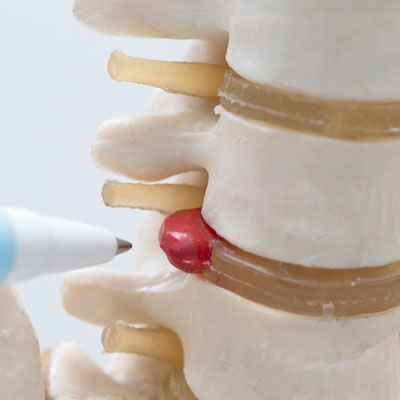
Can you make a herniated disc worse? Yes, certain activities and habits can increase pain or irritate an affected nerve. Heavy lifting, repeated bending, and prolonged sitting may aggravate symptoms. However, increased pain does not always mean the disc has suffered further damage.
At Chiropractic Care Centre, we help patients understand their symptoms and explore appropriate care options. Below, we explain what can make a herniated disc worse, signs to watch for, and ways to protect your spine.
Can a herniated disc actually get worse?
Yes, a herniated disc can sometimes become more severe, but worsening pain does not always mean the disc itself is more damaged.
A herniated disc occurs when the soft material inside a spinal disc pushes through a weakened or torn outer layer. This material may irritate or press on nearby nerves, causing pain, numbness, tingling, or weakness.
Certain movements can temporarily increase nerve irritation and discomfort. In some cases, the disc herniation or nerve compression may also change over time.
However, many people improve with conservative care. Understanding which activities aggravate your symptoms can help you manage discomfort and recognize when medical attention is needed.
7 things that can make a herniated disc worse
Everyday movements and habits can affect how your back or neck feels during recovery. The following factors may aggravate symptoms or contribute to poor spinal health.
1. Sitting for long periods
Sitting for extended periods can aggravate lower back pain and leg symptoms, especially when you slouch or lean forward.
Remaining in one position for hours may increase stiffness and discomfort around the affected area.
Try taking short walking breaks, changing positions regularly, and using a chair that supports your lower back.
2. Lifting heavy objects incorrectly
Heavy lifting can place additional stress on your spine, particularly when you bend forward or twist while carrying weight.
Activities such as moving furniture, lifting boxes, or carrying heavy bags may trigger pain or increase existing nerve symptoms.
Keep objects close to your body, bend at your hips and knees, and avoid twisting while lifting. Ask for help when an object feels too heavy.
3. Repeated bending and twisting
Repeated bending and twisting can aggravate herniated disc symptoms, especially when these movements involve lifting or sudden changes in direction.
Gardening, shoveling, and repeatedly reaching toward the floor are common examples.
You do not need to avoid bending completely. Instead, limit movements that consistently trigger symptoms and gradually return to normal activities as tolerated.
4. High impact exercises
Running, jumping, and certain high intensity workouts may increase pain during an active symptom flare.
Exercises involving repeated spinal bending, such as sit-ups, may also aggravate symptoms in some people.
However, these activities are not necessarily harmful for everyone with a herniated disc. Choose exercises based on your condition, and modify movements that cause increasing pain, numbness, or weakness.
5. Poor posture
Poor posture does not automatically cause a herniated disc to worsen, but certain positions may increase discomfort.
Spending hours hunched over a computer, leaning forward while sitting, or looking down at your phone can aggravate neck or back symptoms.
Adjust your workspace, support your lower back, and change positions throughout the day. Comfortable movement matters more than maintaining one perfect posture.
6. Prolonged inactivity
Rest may help during a severe pain flare, but staying in bed for too long can contribute to stiffness, muscle weakness, and reduced mobility.
Avoiding movement completely may also make returning to normal activities more difficult.
Short walks and gentle exercises are often better than extended bed rest, provided they do not significantly worsen symptoms.
7. Smoking and excess body weight
Smoking is associated with disc degeneration and poorer spinal health. Excess body weight can also increase the physical demands placed on your lower back.
These factors do not necessarily cause an existing herniation to worsen immediately. However, they may affect spinal health and recovery over time.
Quitting smoking and maintaining a healthy weight can support your overall health and long term spine care.
Signs your herniated disc may be getting worse
Herniated disc symptoms can change from day to day. However, certain changes may suggest increasing nerve irritation or compression.
Watch for the following signs:
- Increasing pain: Back or neck pain becomes more intense, persistent, or disruptive to daily activities.
- Pain spreading into your arm or leg: Discomfort travels farther from your spine, sometimes reaching your hand or foot.
- Worsening numbness or tingling: Reduced sensation or pins and needles become more frequent or persistent.
- New or increasing muscle weakness: You have difficulty gripping objects, lifting your foot, or walking normally.
- Difficulty with daily activities: Standing, walking, or completing routine tasks becomes increasingly difficult.
These symptoms do not always indicate further disc damage. However, persistent changes or new weakness should be evaluated by a healthcare professional.
How to prevent a herniated disc from getting worse
Although you cannot control every factor affecting a herniated disc, certain habits may help reduce discomfort and support recovery.
- Practice safe lifting techniques. Keep objects close to your body, bend at your hips and knees, and avoid twisting while lifting. Ask for help with heavy items.
- Take regular movement breaks. Avoid sitting or standing in one position for extended periods. Short walks and position changes may help reduce stiffness.
- Stay active with gentle exercise. Walking, swimming, and appropriate strengthening exercises may help maintain mobility. Avoid activities that consistently increase nerve pain.
- Maintain comfortable sleeping positions. Try sleeping on your side with a pillow between your knees or on your back with a pillow beneath your knees. Choose positions that reduce discomfort.
- Follow an appropriate rehabilitation plan. A personalized exercise program may help improve strength, flexibility, and movement control. Exercises should match your symptoms and physical abilities.
For additional comfort at night, choosing suitable sleeping positions for a herniated disc may help reduce unnecessary strain while resting.
When to seek medical attention for worsening symptoms
Many herniated discs improve without surgery. However, worsening symptoms sometimes require medical evaluation.
Schedule a medical evaluation if you experience:
- Pain that continues to worsen or does not improve.
- Persistent or increasing numbness and tingling.
- New muscle weakness or difficulty performing normal movements.
Seek emergency medical care immediately if you experience:
- Loss of bladder or bowel control: New difficulty controlling urination or bowel movements.
- Saddle numbness: Reduced sensation around your groin, genitals, or inner thighs.
- Severe or rapidly worsening leg weakness: Sudden difficulty walking or moving your foot.
These symptoms may indicate serious nerve compression, including cauda equina syndrome, which requires emergency evaluation.
Can chiropractic care help with a herniated disc?
Chiropractic care may help manage pain and improve mobility for some people with a herniated disc. However, treatment should depend on your symptoms, medical history, and examination findings.
At Chiropractic Care Centre, we evaluate your condition before discussing appropriate care options. Depending on your needs, these may include chiropractic treatment or spinal decompression therapy.
Spinal decompression uses controlled traction to gently stretch the spine. It may provide symptom relief for some patients, but evidence for lasting benefits remains limited. It cannot be guaranteed to repair a herniated disc.
Protect your spine with the right care
Certain activities can aggravate a herniated disc, but adjusting your daily habits and staying appropriately active may help manage symptoms.
At Chiropractic Care Centre in Tampa, FL, we offer chiropractic care and spinal decompression for selected patients experiencing disc related discomfort.
If your symptoms persist, contact us to schedule an evaluation and discuss your care options.
Frequently asked questions about herniated discs
Can walking make a herniated disc worse?
Walking is generally safe and may help maintain mobility. However, reduce the activity if it increases pain, numbness, or weakness.
Can sitting make a herniated disc worse?
Prolonged sitting can aggravate symptoms in some people, particularly when certain positions increase discomfort. Regular movement breaks may help.
Can stretching worsen a herniated disc?
Yes. Some stretches may irritate affected nerves. Avoid forcing movements that cause shooting pain, tingling, or worsening symptoms.
Can a herniated disc get worse without an injury?
Yes. Symptoms may worsen without a new injury due to inflammation, nerve irritation, or changes in the disc.
Can a herniated disc heal on its own?
Yes. Many herniated discs improve over time, and some shrink naturally. Recovery depends on the individual and severity of symptoms.