
Is Spinal Decompression Therapy Safe? – From Tampa Chiropractor
If you’re living with chronic back pain, herniated discs, or sciatica, you’ve probably heard about spinal decompression therapy. It sounds promising – non-surgical relief that targets the root cause of your pain. But like any smart patient, you’re asking the critical question: is spinal decompression safe?
Let’s explore the science, the safety protocols, and what you need to know before starting treatment.
Understanding Spinal Decompression Therapy
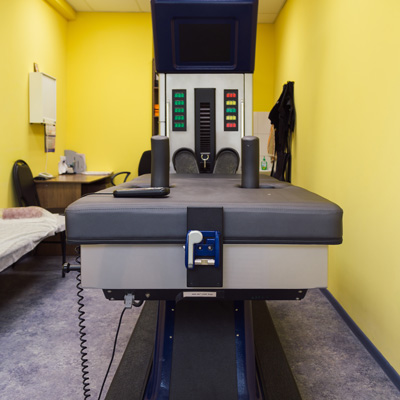
Non-surgical spinal decompression is a treatment that gently stretches your spine using a specialized motorized table. The goal is simple: create negative pressure inside your spinal discs, allowing bulging or herniated material to retract and promoting the flow of healing nutrients.
The equipment uses computer-controlled pull cycles that alternate between stretching and relaxation. These precise cycles prevent your muscles from resisting the stretch – a common problem with older traction methods. Modern decompression tables are FDA-cleared medical devices designed with patient safety as the top priority.
Is Spinal Decompression Therapy Safe?
Let me answer directly: yes, spinal decompression therapy is safe for the vast majority of patients when performed by licensed professionals. The spinal decompression safety record speaks for itself.
Research by Apfel et al. (2010) in BMC Musculoskeletal Disorders demonstrated that spinal decompression therapy is both safe and effective for chronic low back pain, with minimal adverse events reported. The study followed patients over extended periods and found consistent positive outcomes.
FDA-approved spinal decompression devices meet rigorous safety standards. These machines aren’t experimental – they’re cleared medical equipment that’s been refined over decades of clinical use. Major manufacturers invest heavily in safety features, quality control, and ongoing research.
Common sensations during treatment:
- Gentle pulling or stretching feeling
- Deep relaxation in back muscles
- Relief of pressure in the spine
- Some patients feel immediate pain reduction
Spinal decompression has been used clinically since the 1990s, with millions of successful treatments performed worldwide. This extensive track record provides confidence in both its safety and effectiveness.
Common Myths and Misconceptions About Safety
Despite the evidence, myths persist about spinal decompression. Let’s address the most common concerns head-on.
Myth 1: Spinal decompression can damage the spine Reality: The treatment applies controlled, gentle force – far less than what your spine experiences during everyday activities like lifting or bending. The computerized system prevents excessive force that could cause injury.
Myth 2: The treatment is painful Reality: Most patients describe it as comfortable and relaxing. If you experience pain during decompression, it means the settings need adjustment – not that the therapy itself is inherently painful.
Myth 3: It’s experimental or unproven Reality: Decades of clinical use, peer-reviewed research, and FDA clearance prove otherwise. This is established, evidence-based care – not an experimental treatment.
Myth 4: Anyone can perform decompression safely Reality: While the equipment is sophisticated, proper patient selection, assessment, and monitoring require professional training. This is why seeing a qualified chiropractor Tampa patients trust matters tremendously.
Risks and Side Effects of Spinal Decompression Therapy
No medical treatment is completely without risk, and honesty about potential spinal decompression side effects is important for informed consent.
Mild, temporary side effects include:
- Muscle soreness similar to post-workout feeling
- Slight stiffness lasting 24-48 hours
- Temporary increase in pain as your body adjusts
- Mild fatigue after initial sessions
These effects are normal and typically resolve quickly. They indicate your body is responding to treatment, not that something’s wrong. Most patients experience reduced symptoms with each successive session.
Rare complications and prevention: Serious complications from spinal decompression are extremely uncommon. When they do occur, it’s usually because contraindications were missed during screening or equipment was used improperly.
Who’s most at risk:
- Patients with undiagnosed fractures
- Advanced osteoporosis with fragile bones
- Recent spinal fusion surgery
- Active spinal infections or tumors
This is why thorough screening is non-negotiable. We perform detailed examinations, review medical history, and often require imaging before beginning treatment. These protocols prevent complications before they happen.
Safety Protocols and Professional Standards
At Chiropractic Care Centre, safety isn’t just important – it’s everything. We follow strict protocols that ensure every decompression session is both effective and safe.
Our safety measures include:
- Comprehensive diagnostic imaging: X-rays or MRI review to identify contraindications
- Detailed health screening: Medical history review to catch potential risk factors
- Personalized pressure settings: Calculations based on your body weight and condition severity
- Continuous monitoring: We’re present throughout your entire session
- Progressive treatment plans: Starting conservatively and adjusting based on response
Spinal decompression therapy risks are minimized through proper equipment maintenance and calibration. Our decompression tables undergo regular safety inspections and meet all manufacturer certification requirements.
Chiropractic safety regulations require ongoing professional education. We stay current with the latest research, techniques, and safety protocols to provide the highest standard of care.
Professional ethics guide every decision we make. If we determine that decompression isn’t appropriate for your condition, we’ll tell you honestly and recommend alternatives. Your wellbeing always comes before billing another session.
Who Should Avoid Spinal Decompression Therapy?
While decompression is safe for most patients, certain conditions make it inappropriate or require alternative approaches.
Absolute contraindications (do not receive treatment):

Relative contraindications (proceed with extreme caution):
- Significant peripheral neuropathy
- Blood clotting disorders or anticoagulant therapy
- Recent vertebroplasty or kyphoplasty
- Pending spinal surgery
Is Spinal Decompression Right for You?
Determining candidacy for decompression requires professional evaluation. We don’t use a one-size-fits-all approach – every patient receives individualized assessment.
Our evaluation process includes:
- Detailed symptom history and pain patterns
- Physical examination and orthopedic testing
- Review of diagnostic imaging (X-rays, MRI, CT scans)
- Discussion of treatment goals and expectations
- Assessment of contraindications and risk factors
Questions to ask before starting:
- Am I a good candidate based on my specific condition?
- What results can I realistically expect?
- How many sessions will I likely need?
- What are the alternatives if decompression doesn’t work?
- What will sessions cost, and is it covered by insurance?
See more: Spinal Decompression Near Me: Non-Surgical Relief for Back & Neck Pain in Tampa
Spinal Decompression Is Safe When Performed by Professionals
So, is spinal decompression safe? Absolutely – when you choose qualified providers who follow proper protocols. The treatment is backed by decades of evidence, millions of successful sessions, and FDA clearance of the equipment.
At Chiropractic Care Centre in Tampa, FL, we’ve helped countless patients find relief from chronic back pain, herniated discs, sciatica, and degenerative disc disease. Our commitment to safety, combined with clinical expertise, ensures you receive the highest quality care.
Ready to explore whether spinal decompression is right for you? Contact the Chiropractic Care Centre today to schedule your comprehensive spinal assessment. As your trusted chiropractor Tampa residents count on, we’ll evaluate your condition thoroughly, answer all your questions, and create a personalized treatment plan designed for your safety and success.
Don’t let fear hold you back from the relief you deserve. Let’s work together to get you back to the life you love – pain-free and fully functional.
FAQs
Is spinal decompression painful?
No. The treatment should feel like gentle stretching. If you experience pain, we adjust the settings immediately. Most patients find it comfortable and relaxing.
Can spinal decompression cause damage?
When performed correctly by trained professionals with proper screening, damage is extremely unlikely. The computerized controls prevent excessive force that could cause injury.
How many sessions do I need?
Most patients need 20-28 sessions over 6-8 weeks. We track progress continuously and adjust the plan based on your response.