
Lower Back Pain When Sitting: Common Causes, Symptoms and Treatment Options
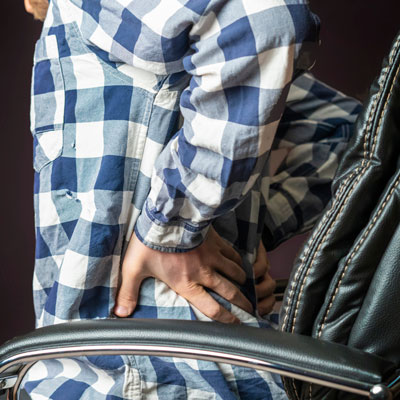
Lower back pain when sitting can make a normal workday, long drive, or even relaxing on the couch uncomfortable. You may feel fine at first, then notice pain or stiffness building the longer you sit.
Sitting itself is not always the cause. Staying in one position for a long time can make an existing problem more noticeable, including muscle strain, disc irritation, sciatica, or age related changes in the lower back.
What causes lower back pain when sitting?
Several problems can contribute to lower back pain while sitting. Where the pain occurs, whether it travels into a leg, and what makes it better or worse can provide useful clues.
Poor sitting posture and prolonged sitting
Staying in one position for hours can tire the muscles around your lower back and hips. Slouching or an uncomfortable setup may add to the strain, but there is no single perfect sitting posture. Changing positions and moving regularly are just as important, which is why choosing between a standing desk and sitting desk is not simply about finding one position to use all day.
Muscle strain and weakness
Muscles that support your lower back can become sore from lifting, repetitive activity, prolonged sitting, or unfamiliar movements. Muscle related pain often feels like a localized ache, tightness, or stiffness rather than pain that travels down the leg.
Herniated or irritated disc
A spinal disc that becomes irritated or herniated can cause lower back pain that is more noticeable in certain positions, including sitting or bending forward. If a nearby nerve is affected, symptoms may extend into the buttock or leg.
However, not every herniated disc causes pain, and what a herniated disc feels like can vary depending on where it occurs and whether a nerve is involved.
Sciatica and nerve irritation
Sciatica typically causes pain that travels from the lower back or buttock into one leg, sometimes with tingling, numbness, or weakness. Sitting may aggravate these symptoms in some people, particularly when a position increases irritation or pressure around the affected nerve.
Degenerative changes in the lower back
Spinal discs and joints naturally change with age, and these changes may contribute to stiffness or discomfort during prolonged sitting. However, findings on an X-ray or MRI do not always explain back pain. Symptoms, movement, function, and examination findings also need to be considered.
What does lower back pain from sitting feel like?
Lower back pain when sitting does not feel the same for everyone. Depending on the underlying problem, you may notice:
- A dull or aching pain across the lower back
- Stiffness after sitting for a long time
- Pain that gradually increases while sitting
- Discomfort when getting out of a chair
- Pain around one side of the lower back or buttock
- Tingling or numbness extending into a leg
- Symptoms that ease after walking or changing position
Pay attention to where your symptoms go as well as what triggers them. Pain that stays around the lower back is different from pain accompanied by numbness, tingling, or weakness down a leg.
These patterns can provide useful clues, but symptoms alone are not enough to determine the cause.
How should you sit with lower back pain?
There is no single perfect sitting posture, but a comfortable setup can help reduce unnecessary strain. Try to:
- Keep both feet flat on the floor or supported by a footrest.
- Sit back so your lower back feels supported.
- Keep your screen at a comfortable viewing height.
- Place your keyboard and mouse within easy reach.
What can help relieve lower back pain from sitting?
A comfortable workstation is only part of the solution. When symptoms are mild and there are no warning signs, these strategies may also help.
Take regular movement breaks
Avoid staying seated for long periods without moving. Stand up, walk for a few minutes, or change position when you begin to feel stiff.
Stay active within your comfort level
Gentle walking and normal daily activities can help keep your back moving. Avoid activities that clearly increase pain traveling into the leg, numbness, or other neurological symptoms.
Try heat or cold
Heat may help with muscle tightness or stiffness, while cold may feel better after an activity that irritates your back. Both are mainly used for temporary symptom relief.
Gentle movement and mobility
Gentle movements that keep the lower back and hips mobile may help reduce stiffness after prolonged sitting. Choose movements that feel comfortable and stop if an activity clearly increases pain, tingling, numbness, or symptoms traveling down the leg.
When should you get lower back pain evaluated?
Changing your chair, sitting habits, and activity level may help with mild symptoms. Consider an evaluation if your lower back pain:
- Keeps returning despite these changes
- Is becoming more frequent or intense
- Starts after shorter periods of sitting
- Travels into your buttock or leg
- Comes with persistent tingling or numbness
- Interferes with work, sleep, driving, or everyday activities
Some symptoms require more urgent medical attention. Seek prompt medical care for new or significant leg weakness, loss of bladder or bowel control, numbness around the groin or saddle area, severe pain after significant trauma, or back pain accompanied by fever.
Non-surgical treatment options for persistent lower back pain
When lower back pain continues despite changes to your sitting habits and daily activity, treatment should address the problem contributing to your symptoms. Non-surgical options may include:
Chiropractic care
Chiropractic care may be considered for some types of mechanical lower back pain. At Chiropractic Care Centre in South Tampa, care may include chiropractic adjustments based on your symptoms, spinal movement, and examination findings.
Spinal decompression
Spinal decompression uses controlled traction to gently stretch targeted areas of the spine. It may be considered for certain disc problems, sciatica, or nerve compression, but it is not appropriate for every type of lower back pain.
Strength and movement rehabilitation
Strength reconditioning may be used to improve muscle function and support movement during recovery. The appropriate exercises and level of activity depend on your symptoms, physical findings, and ability to perform movements comfortably.
The right approach may involve one or more conservative options depending on whether your symptoms are primarily related to muscles, spinal movement, a disc problem, or nerve irritation.
Frequently asked questions
Why does my lower back hurt more when sitting than standing?
Sitting keeps your lower back and hips in one position for longer periods and may aggravate certain muscles, joints, discs, or nerves. If standing or walking consistently reduces your symptoms, that pattern can provide useful information about what may be contributing to the pain.
Why does my lower back hurt when I stand up after sitting?
Muscles and joints can become stiff after remaining in one position. Standing changes the load and position of your lower back and hips, which may briefly make pain more noticeable. Persistent or worsening pain should be evaluated rather than assumed to be simple stiffness.
Can a herniated disc cause lower back pain when sitting?
Yes. Some people with a symptomatic lumbar herniated disc find that sitting aggravates their lower back or leg symptoms. However, many herniated discs cause no symptoms, so pain while sitting alone cannot confirm a disc problem.
How long should you sit if you have lower back pain?
There is no single amount of sitting time that is right for everyone with lower back pain. Instead of waiting until pain becomes intense, change positions or get up and move when you begin to notice stiffness or discomfort. How often you need to move depends on your symptoms and the underlying cause.
Find the cause of persistent lower back pain
Lower back pain when sitting may improve with better movement habits, a more comfortable workstation, and less time spent in one position. When pain keeps returning or begins to interfere with work, driving, sleep, or daily activities, identifying the underlying cause becomes more important.
If sitting remains consistently painful despite the changes you have tried, contact us to schedule an evaluation.